
The Hidden Risk Inside Old Electronics
In today’s digital world, information doesn’t disappear just because a device is outdated or no longer in use. Old hard drives, USB drives, servers, and even copiers with internal hard disks can store vast amounts of sensitive data long after files are “deleted.” Many people assume that once a computer is wiped or reformatted, the data is gone for good—but that’s rarely the case. This misconception creates a major security gap for both businesses and individuals.
Proper data destruction is no longer optional; it’s a critical step in responsible electronics recycling and information security. That’s where trusted partners like Responsible Recycling Services play a vital role, combining environmental responsibility with ironclad data protection.
The Limits of “Deleting” Files
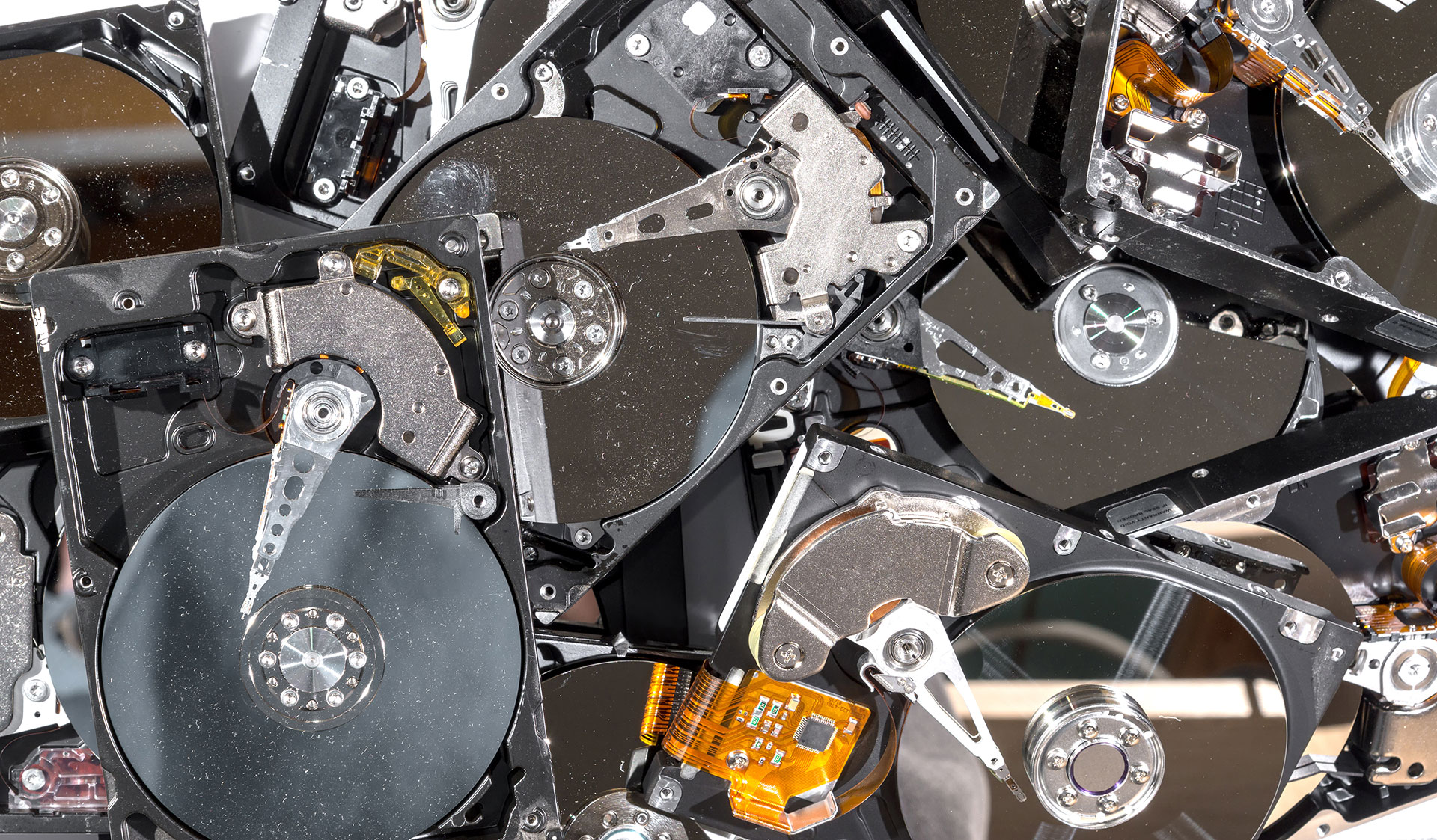
Deleting files or reformatting a hard drive only removes the pointers to the data, not the data itself. With widely available recovery software, large portions of that information can often be restored in minutes. Studies examining used hard drives sold on secondary markets have found that a significant percentage still contain recoverable personal, financial, or corporate data—simply because the drives were never properly sanitized.
This means old laptops, desktops, and servers can quietly carry email archives, tax records, customer databases, saved passwords, and proprietary business information straight into the wrong hands. The risk isn’t theoretical; it’s real, and it happens every day when devices are discarded without secure destruction.

What’s at Stake If Data Isn’t Destroyed
Failing to properly destroy a hard drive can have serious consequences. For businesses, exposed data can lead to identity theft, financial fraud, loss of customer trust, and mandatory breach notifications that are costly and damaging to a brand’s reputation. For individuals, it can mean stolen identities, drained bank accounts, or compromised personal information.
Certain industries face even higher risks. Medical practices, for example, could be in direct violation of HIPAA regulations if patient data is recovered from discarded equipment. Financial institutions, schools, and municipalities also face strict compliance requirements. In short, improperly disposed drives can turn into legal liabilities, financial burdens, and public relations disasters.
How RRS Eliminates the Risk
Responsible Recycling Services removes these concerns entirely with secure hard drive destruction services designed for total peace of mind. RRS uses a robust two-step process: first, hard drives are physically shredded into small pieces, rendering them unreadable; then, degaussing is used to eliminate any remaining magnetic data on the fragments.
This combination ensures that data is destroyed beyond any possibility of recovery. For added transparency and trust, RRS offers on-site hard drive shredding, allowing clients to witness the destruction at their own location. Off-site destruction is also available, supported by strict chain-of-custody procedures. After completion, clients receive a Certificate of Hard Drive Destruction that documents each drive’s serial number and destruction date—clear proof of compliance with data privacy laws and internal security policies.
Best Practices for Secure Data Disposal
Organizations and households alike can take proactive steps to protect themselves. Keep a clear inventory of retired computers, servers, and storage devices so nothing slips through the cracks. Avoid stockpiling old hard drives in closets or storage rooms, as they pose a security risk if lost or stolen. Most importantly, rely on professional destruction services instead of DIY methods.
The popular “hammer method” may feel satisfying, but it often leaves internal platters intact and data recoverable. Industrial shredding and certified destruction processes are the only reliable way to ensure data is truly gone. Partnering with experts like Responsible Recycling Services is the safest, most responsible path forward—protecting sensitive information while ensuring electronics are recycled ethically and sustainably.