Why Documentation Matters When Your Business Retires Computers, Hard Drives and Other Data-Bearing Equipment
The computers are gone. The hard drives have been removed. The storage room finally has space again.
Then, months later, an auditor, client or member of your leadership team asks a simple question: “What happened to the data stored on those devices?”
Would your business be able to answer with confidence, or would the explanation amount to, “Someone came and took everything?”
Secure data destruction is an essential part of retiring old technology, but the physical destruction of a hard drive is only part of the process. Businesses also need documentation showing what was destroyed, when it was destroyed and how the destruction was handled.
That is where a Certificate of Destruction becomes important.
What Is a Certificate of Destruction?
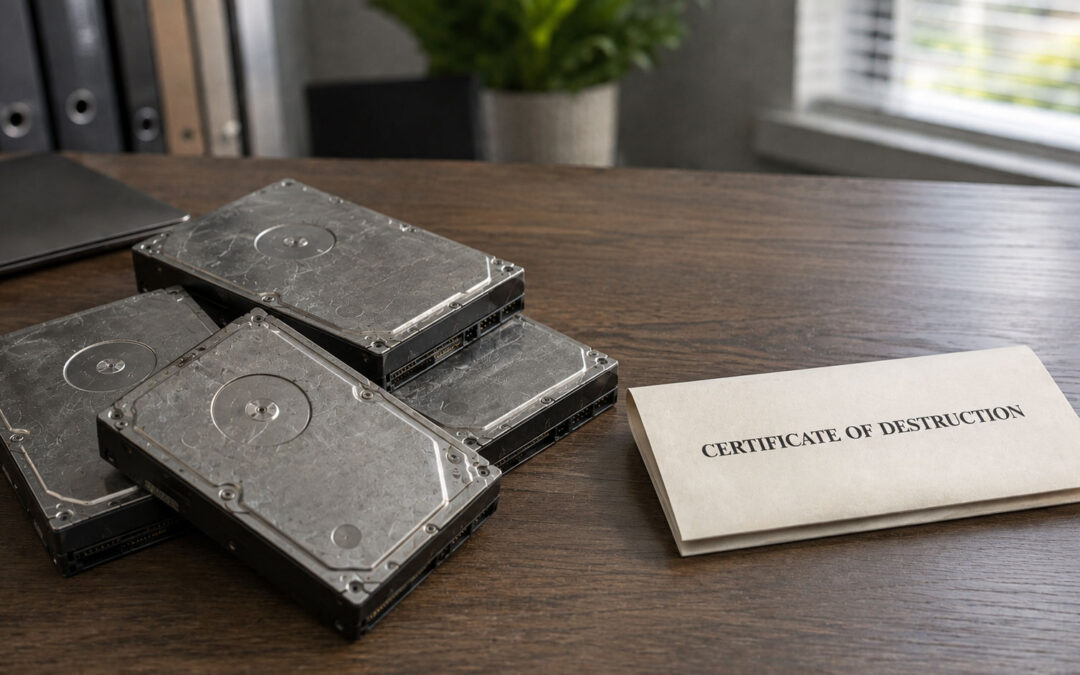
A Certificate of Destruction is a formal record confirming that specific documents, hard drives or other data-bearing materials were destroyed by a service provider.
For hard drive destruction, the certificate creates a paper trail connecting the retired equipment to the completed destruction service. Depending on the provider and level of service requested, it may include information such as:
- The name of the organization receiving the service
- The date the destruction occurred
- The type and quantity of media destroyed
- The destruction method used
- The serial numbers of individual hard drives
- The location where destruction occurred
- An authorized signature or attestation from the destruction provider
At Responsible Recycling Services, clients receiving hard drive destruction services can receive a Certificate of Hard Drive Destruction documenting each drive’s serial number and destruction date. This provides more than a receipt for the service. It creates a record that can be retained with the organization’s internal asset, security and compliance documentation.
What Does the Certificate Actually Prove?
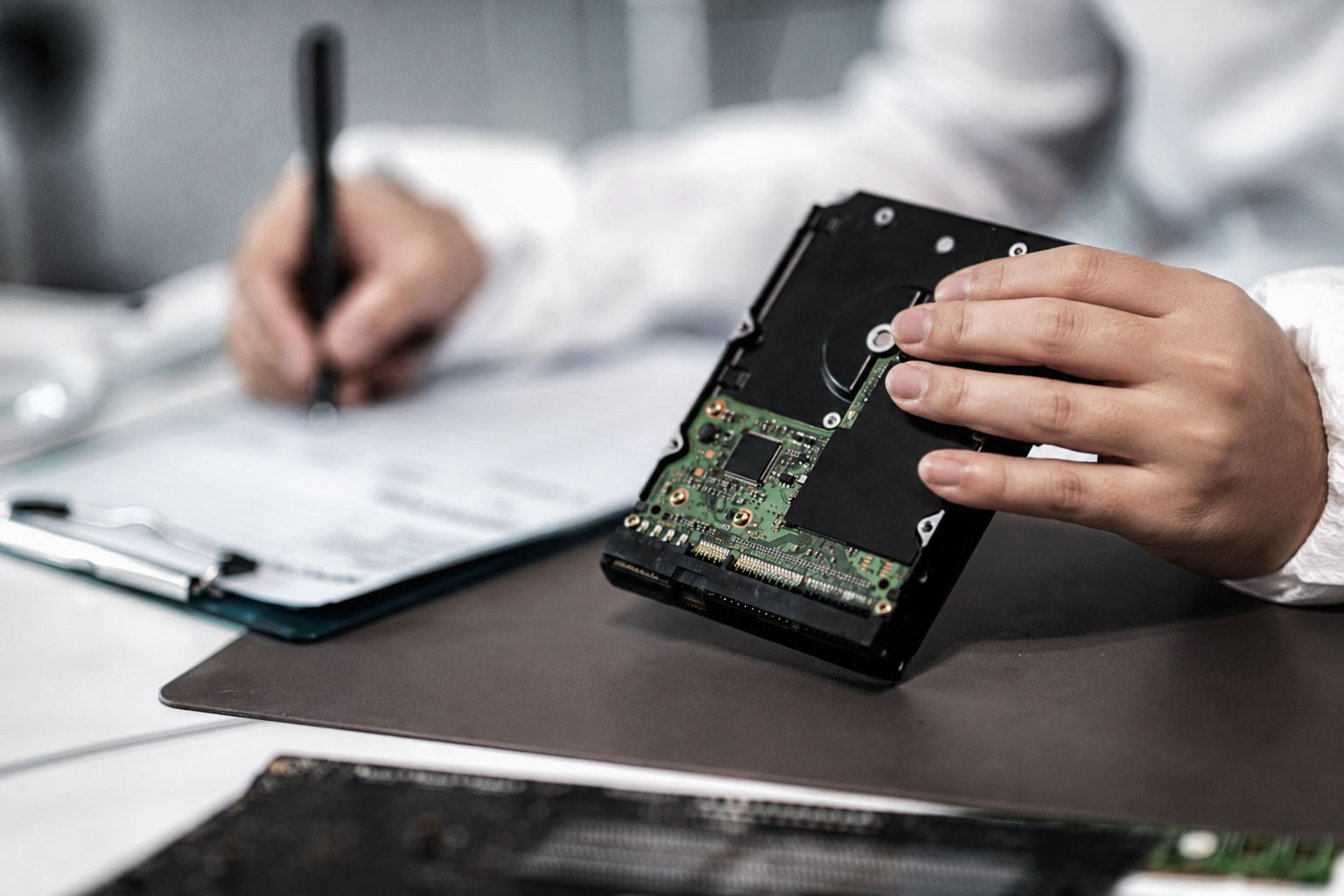
At its most basic level, a Certificate of Destruction documents that the listed materials were received and destroyed according to the process described by the service provider.
For a business, that documentation can help establish several important facts.
First, it shows that the organization did not simply discard data-bearing equipment with its general trash or send it to an unknown destination. It demonstrates that the business took a deliberate step to protect the information stored on the equipment.
Second, it records when the destruction occurred. This can be valuable when matching retired technology to internal inventories, replacement schedules or record-retention policies.
Third, when serial numbers are included, the certificate connects the destruction service to specific hard drives rather than providing only a general statement that an unspecified quantity of equipment was processed.
Finally, it identifies the destruction provider responsible for completing the service. This creates a clear point of accountability after the equipment leaves the organization’s possession.
What a Certificate Does Not Prove by Itself
A Certificate of Destruction is an important record, but it should not be treated as a magical piece of paper that automatically resolves every data-security or compliance concern.
Its value depends on the process supporting it.
A certificate cannot account for a hard drive that was never included in the organization’s inventory. It cannot document equipment that was lost, misplaced or removed before the destruction provider received it. It also cannot replace careful vendor selection, secure handling procedures or an appropriate chain of custody.
Businesses should know what materials are leaving their possession, who is handling them and what destruction method will be used. The information recorded on the certificate should then correspond with the organization’s own records.
The strongest protection comes from the combination of an accurate asset inventory, controlled handling, an effective destruction process and complete documentation.
Why Simply Recycling a Computer May Not Be Enough
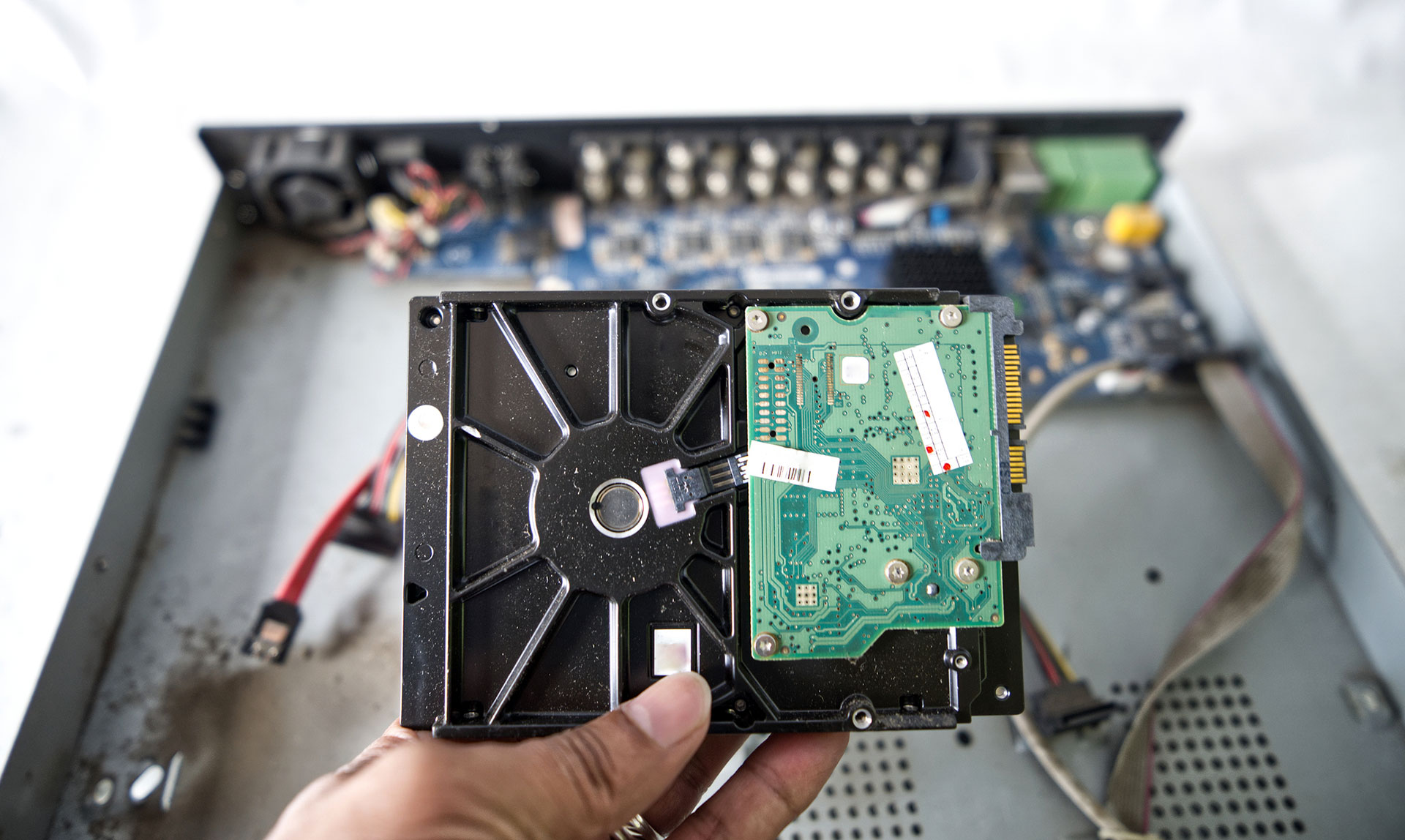
Old computers, servers, external drives, copiers and other electronics can contain confidential information long after they are removed from service. Customer records, employee files, financial documents, email archives, passwords and proprietary business information may remain stored on their internal drives.
Recycling the equipment responsibly is important, but the organization must also address the data it contains.
Deleting files, emptying the recycle bin or performing a basic reformat does not provide the same assurance as professional media sanitization or physical destruction. When a hard drive has reached the end of its useful life and will not be reused, physical destruction can render the drive and its internal components unusable.
The current NIST Guidelines for Media Sanitization encourage organizations to establish appropriate media-sanitization processes and controls based on the sensitivity of their information. The goal is to make access to the data infeasible for the appropriate level of effort.
Why Documentation Matters for Compliance
Different industries have different privacy, security and recordkeeping responsibilities. Healthcare organizations, financial businesses, schools, government agencies, law firms and companies maintaining employee or customer records may all handle information that should not remain accessible on retired equipment.
For example, the U.S. Department of Health and Human Services states that covered organizations may need to clear, purge or destroy electronic media containing protected health information before disposal. Recognized physical destruction methods include disintegrating, pulverizing or shredding the media.
The Federal Trade Commission’s Disposal Rule also requires businesses covered by the rule to take appropriate measures when disposing of consumer report information to protect against unauthorized access or use.
A Certificate of Destruction does not automatically establish that every regulatory requirement has been satisfied. However, it can become an important part of the documentation showing that an organization followed its procedures and took appropriate steps to secure sensitive information.
That documentation may be useful during an audit, insurance review, vendor-security questionnaire, internal investigation or client inquiry.
Which Organizations Should Request a Certificate of Destruction?
Any organization retiring data-bearing equipment can benefit from documented destruction, even if it does not operate in a heavily regulated industry.
Certificates are particularly valuable for:
- Healthcare practices and medical facilities
- Banks, accountants and financial-service providers
- Schools, universities and educational organizations
- Municipalities and government offices
- Law firms and other professional-service companies
- Human resources departments
- Property-management companies
- Nonprofit organizations
- Businesses maintaining customer, employee or payment information
Small businesses should not assume that documentation is only necessary for large corporations. A single retired hard drive can contain years of sensitive information, and a small organization may have fewer internal resources available to respond if that information is exposed.
Questions to Ask Your Data-Destruction Provider
Before turning over hard drives or other sensitive materials, businesses should understand exactly how the destruction process and documentation will work.
Ask whether individual hard drives can be tracked by serial number and whether those numbers will appear on the final certificate. Confirm which destruction method will be used, where the destruction will occur and how the equipment will be protected before it is destroyed.
Organizations should also ask whether on-site destruction is available. On-site hard drive shredding allows representatives of the business to witness the destruction at their location, while properly managed off-site destruction can provide a convenient option supported by secure handling and documentation.
The goal is not simply to obtain a certificate. The goal is to choose a process worthy of being certified.
Protect the Data and the Paper Trail
Retiring old technology should not end when the equipment is carried out the door. It should end when the data has been securely destroyed and the business has documentation showing what happened.
Responsible Recycling Services provides secure hard drive destruction for businesses, schools, healthcare organizations, municipalities and other organizations throughout Eastern Pennsylvania. On-site and off-site options are available, along with hard drive shredding, degaussing and Certificates of Hard Drive Destruction documenting individual serial numbers and destruction dates.
If someone asked what happened to your organization’s retired hard drives, could you prove it?
Contact Responsible Recycling Services to discuss secure hard drive destruction, electronics recycling and documented disposal solutions for your organization.