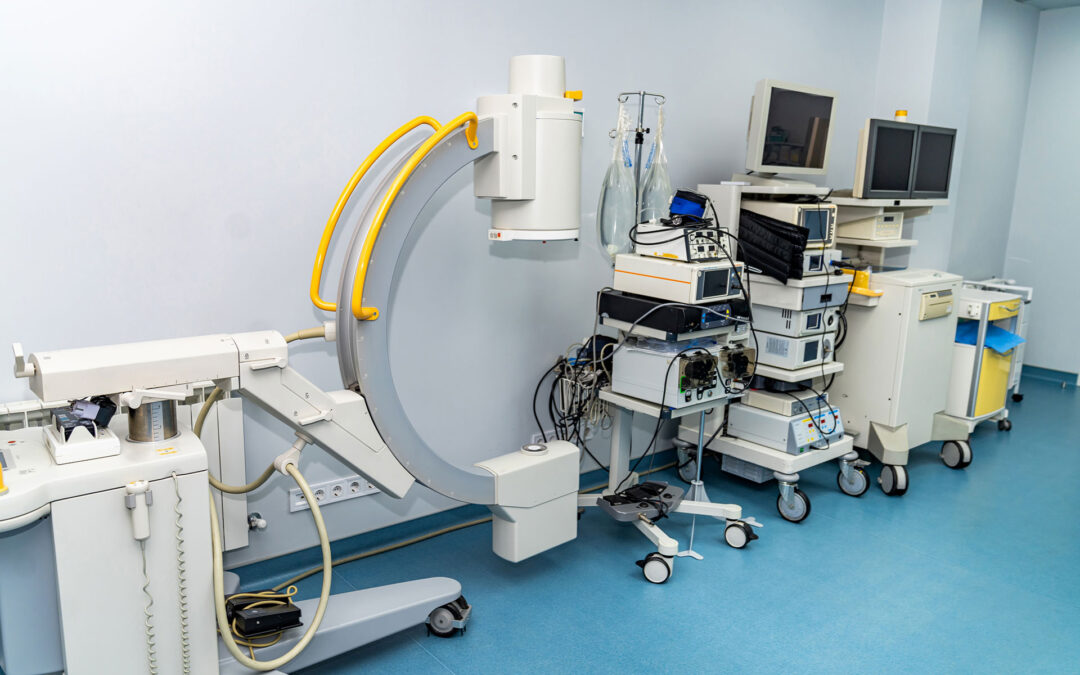
Healthcare facilities across Bucks County, Berks County, and the Lehigh Valley are constantly upgrading equipment. New systems come in. Old equipment gets disconnected. And then it sits.
Sometimes in a back room. Sometimes in storage. Sometimes forgotten entirely. The problem is simple, but serious: That equipment often still contains patient data.
The Risk Most Facilities Don’t Think About
Outdated equipment isn’t harmless. It’s often still holding Protected Health Information (PHI).
Not just computers, but:
- Imaging systems
- Copiers and printers
- Servers and backup drives
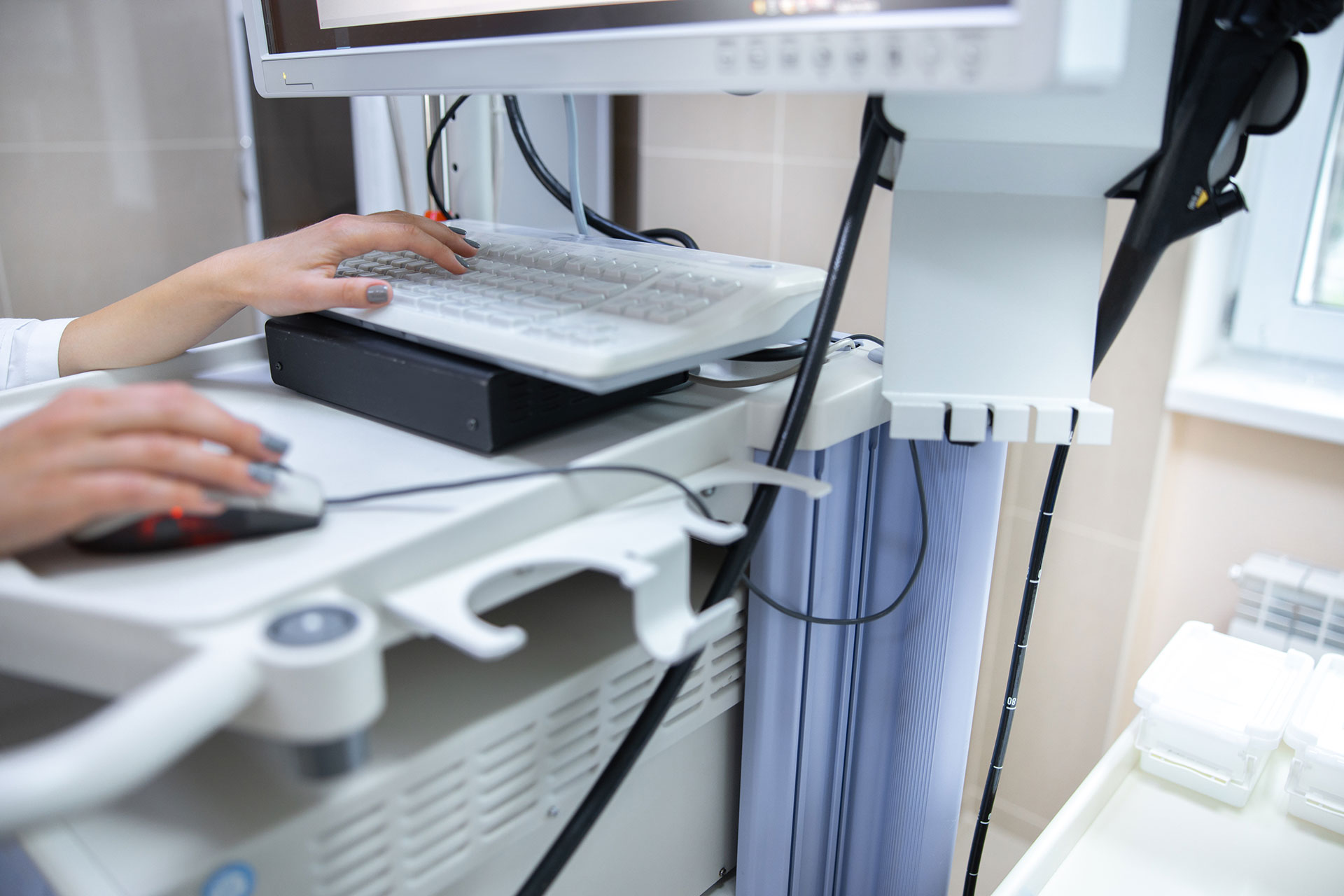
- Network-connected medical equipment
Even when devices are no longer in use, the data inside them is often still recoverable. That creates real exposure:
- HIPAA compliance risk
- Potential data breaches
- Legal and financial consequences
- Loss of patient trust
Most of the time, this isn’t caused by negligence. It’s caused by delay.
The Most Common Mistake: “We’ll Deal With It Later”
This is what we see across healthcare facilities in Doylestown, Reading, Allentown, Bethlehem, and surrounding areas.
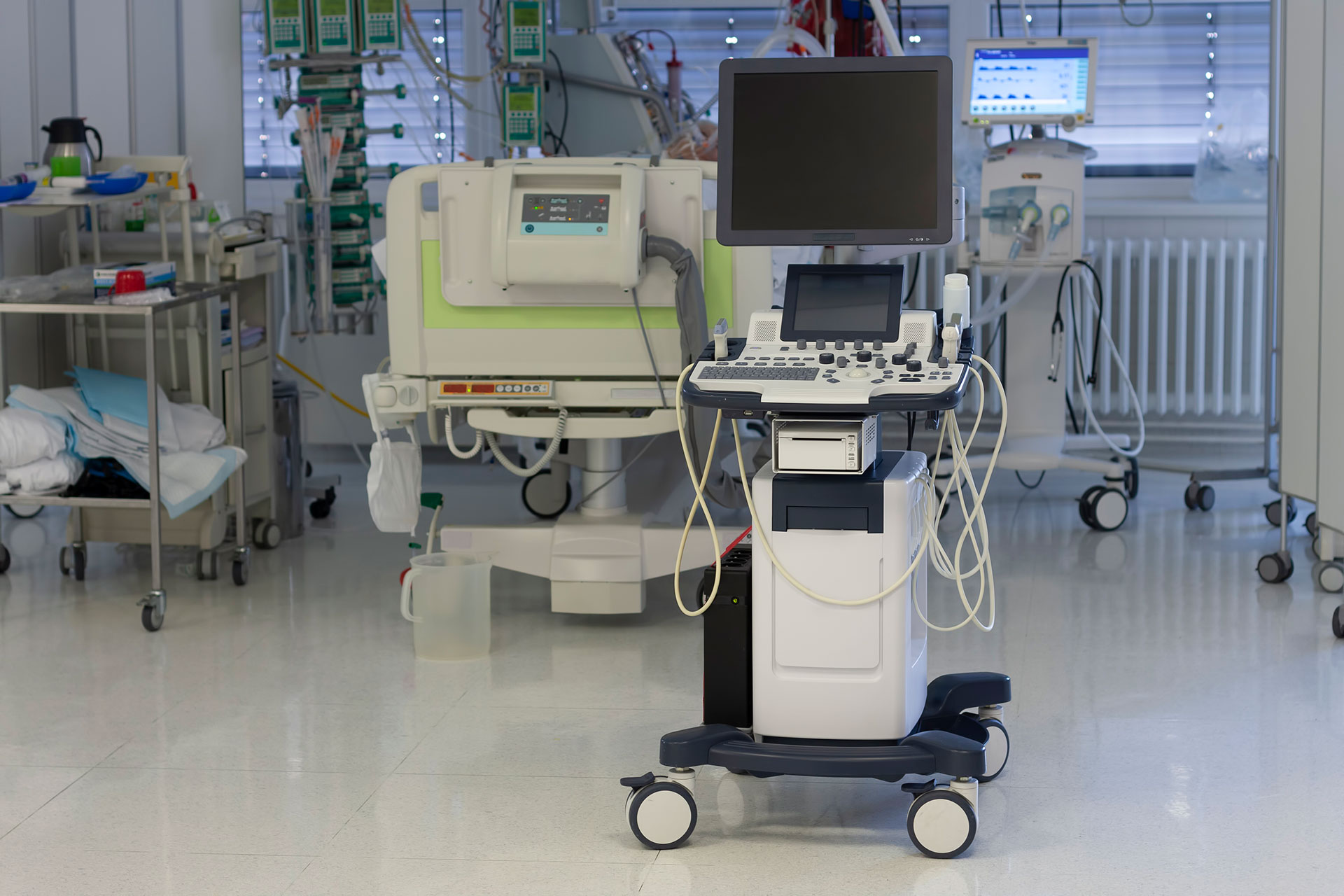
Old equipment gets set aside with the intention of handling it later. But later turns into:
- Months of equipment sitting in storage
- Uncertainty about what data is still on devices
- No clear record of what’s been destroyed
That gap between “we stopped using it” and “it was securely destroyed” is where risk builds.
Why Deleting Data Isn’t Enough
Many assume that deleting files or resetting equipment solves the problem.
It doesn’t.
Without proper destruction, data can still be recovered from:
- Hard drives
- Solid-state drives
- Embedded system storage
That’s why true data destruction requires verified methods, not assumptions.
What Proper Medical Equipment Disposal Actually Looks Like
Handling this correctly doesn’t have to be complicated, but it does need to be intentional.
A compliant process typically includes:
Identifying all data-bearing devices
- Not just obvious equipment, but anything that stores or processes data
Following retention requirements
- Ensuring records are kept as long as required before destruction
Using secure destruction methods
- Hard drive shredding
- Certified data wiping
- Degaussing when required
Maintaining chain of custody
- Tracking equipment from pickup through final destruction
Documenting everything
- So your organization can prove compliance if needed
Why the Right Recycling Partner Matters
This is where many facilities go wrong.
General recycling companies or junk haulers are not equipped to handle:
- Sensitive healthcare data
- Compliance requirements
- Secure chain-of-custody processes
Healthcare organizations need a partner that specializes in:
- Electronics recycling (e-waste)
- Secure data destruction
- IT asset disposition (ITAD)
Because this isn’t just about getting rid of equipment. It’s about closing the loop completely.
The RRS Approach for Healthcare Facilities
At Responsible Recycling Services, we work with healthcare providers across Bucks, Berks, and Lehigh County to make this process simple and secure.
We provide:
- Secure pickup and logistics
- Controlled chain of custody
- Certified data destruction
- Full-service electronics recycling
- Documentation for compliance
No guessing. No loose ends. No equipment sitting around creating risk.
Don’t Let Old Equipment Turn Into a Liability
Most facilities don’t think about this until they have to.
Until an audit.
Until a compliance question.
Until uncertainty about what happened to old devices.
By then, the exposure has already been there.
Ready to Handle It the Right Way?
If your facility has outdated equipment sitting in storage, now is the time to take care of it.
Responsible Recycling Services helps healthcare organizations across Eastern Pennsylvania securely dispose of equipment and protect patient data.