
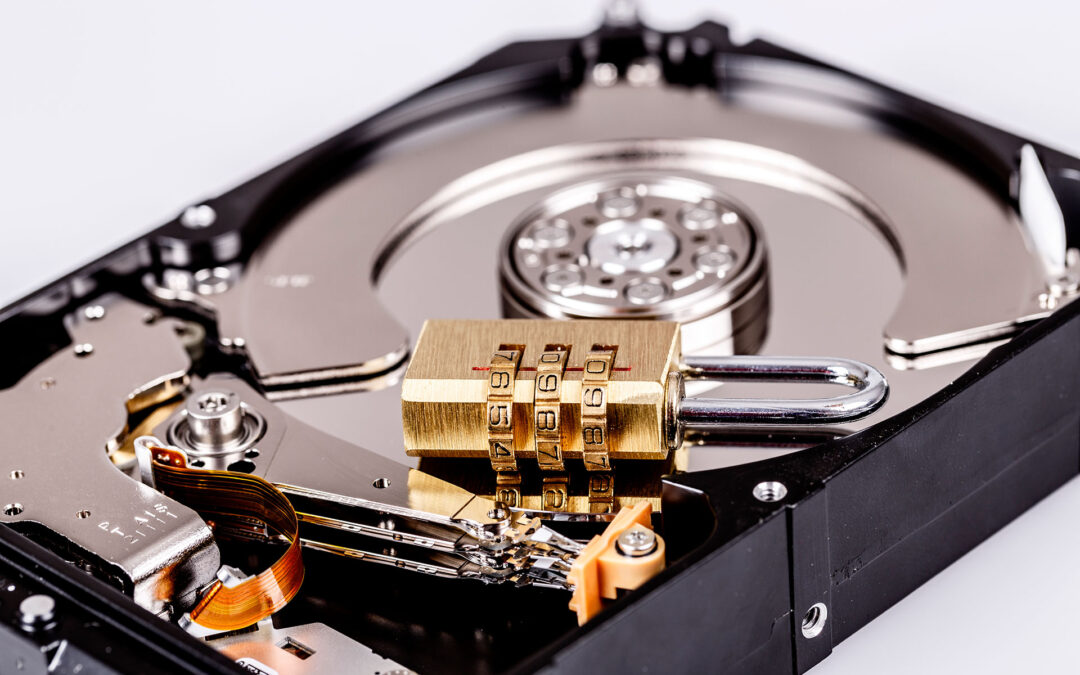
Why Old Computers, Hard Drives, and Forgotten Electronics Could Put Your Company at Risk
Most businesses lock their doors at night. They secure their networks with passwords, firewalls, and antivirus software. They train employees to recognize phishing emails and suspicious links. But many companies overlook one of the biggest security risks sitting quietly inside their own building.
- Old computers.
- Retired servers.
- Boxes of outdated hard drives collecting dust in storage closets, warehouses, basements, or unused offices.
What many business owners do not realize is that sensitive company information often remains on these devices long after they stop being used. Simply deleting files or removing a device from service does not truly destroy the data. In many cases, information can still be recovered months or even years later.
For businesses handling customer records, employee information, financial documents, or medical data, improperly stored electronics can become a serious liability.
Deleted Does Not Mean Destroyed
One of the most common misconceptions about old electronics is the belief that deleting files is enough to remove sensitive information. Unfortunately, that is rarely the case.
Even when a computer appears empty, the hard drive inside may still contain recoverable data including:
- Customer records
- Employee files
- Financial statements
- Payroll information
- Tax documents
- Emails
- Login credentials
- Medical records
- Vendor contracts
- Confidential business communications
This is especially concerning for businesses that have gone through office upgrades, staff transitions, relocations, or technology replacements over the years. Devices are often disconnected and stored away with the intention of “dealing with them later.” Later sometimes becomes years.
Meanwhile, those devices continue to hold valuable and potentially sensitive information.
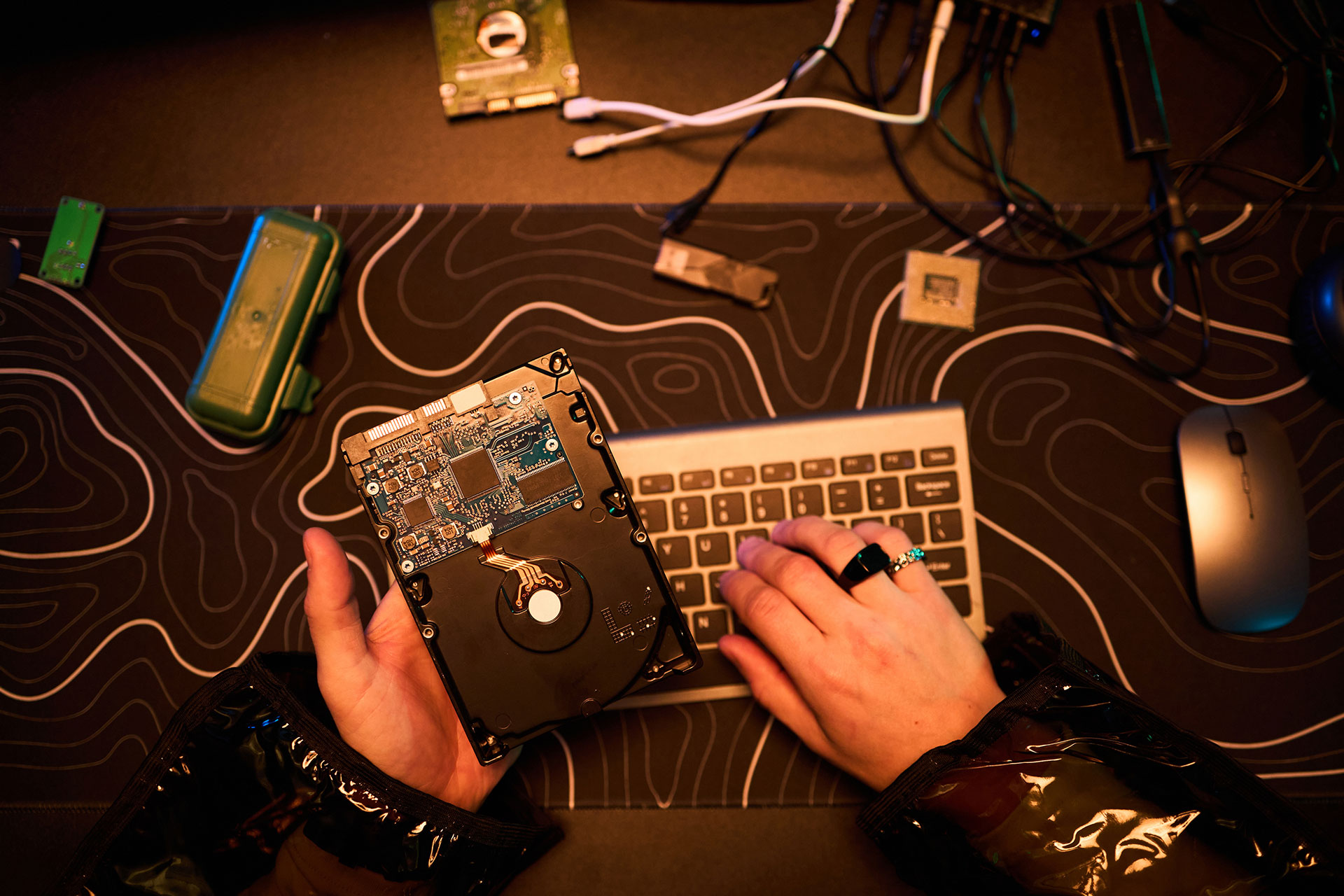
The Hidden Risk Sitting in Storage Closets
Many organizations unknowingly create what amounts to a stockpile of unsecured data.
It is common for businesses to hold onto old electronics because they are unsure how to dispose of them properly. Others assume they may need them someday, while some simply do not have the time to organize a cleanout.
Over time, closets, storage rooms, maintenance areas, and unused offices begin filling up with:
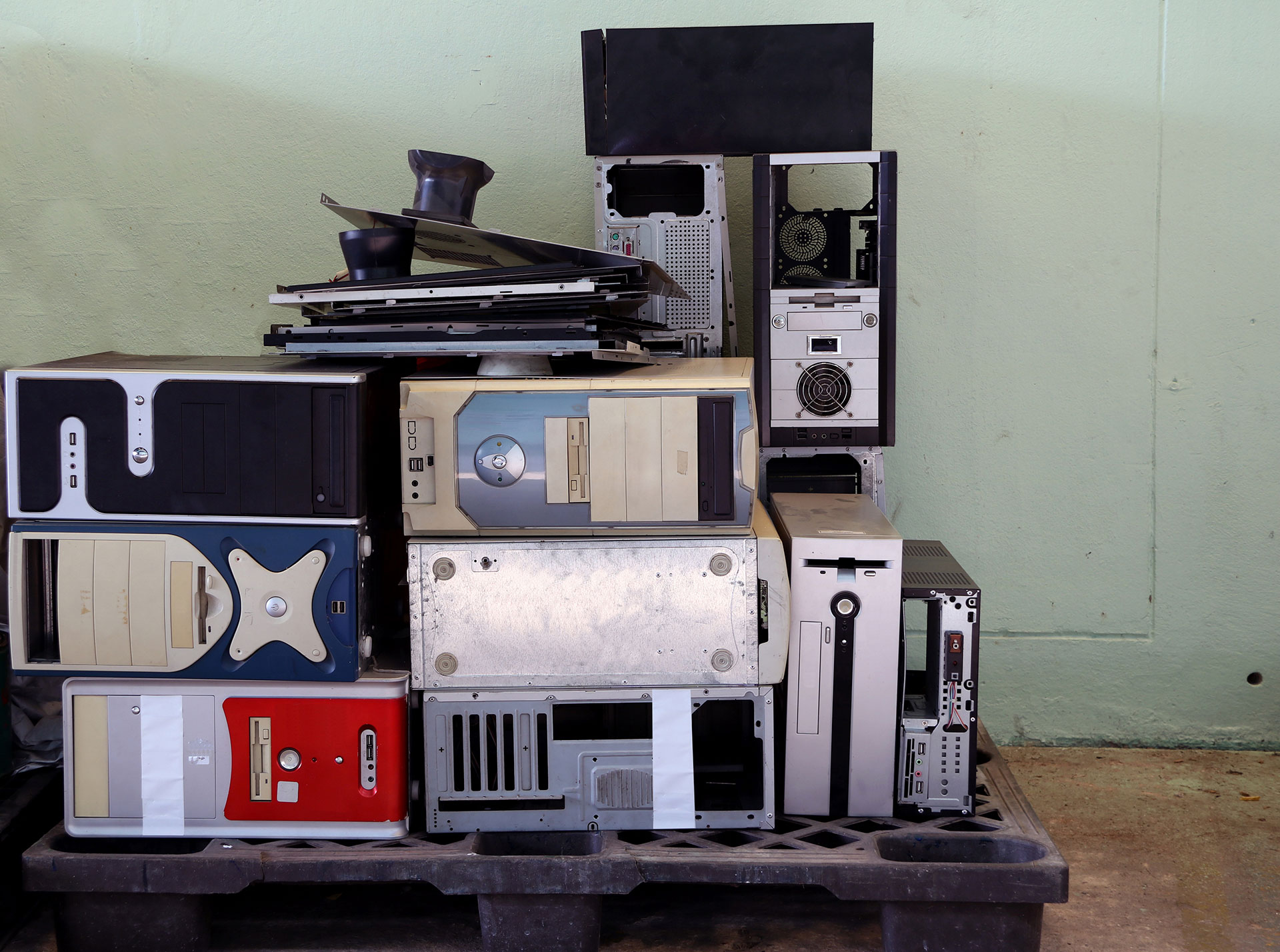
- Old desktop computers
- Laptops
- External hard drives
- Backup systems
- Servers
- Printers and copiers with memory storage
- Networking equipment
- Employee devices from past years
These forgotten electronics can become a major security concern, especially when businesses change ownership, relocate, downsize, or undergo renovations.
All it takes is one improperly discarded hard drive for sensitive information to end up in the wrong hands.
Why Proper Hard Drive Destruction Matters
For businesses serious about protecting their information, hard drive destruction is one of the most important steps in responsible electronics recycling.
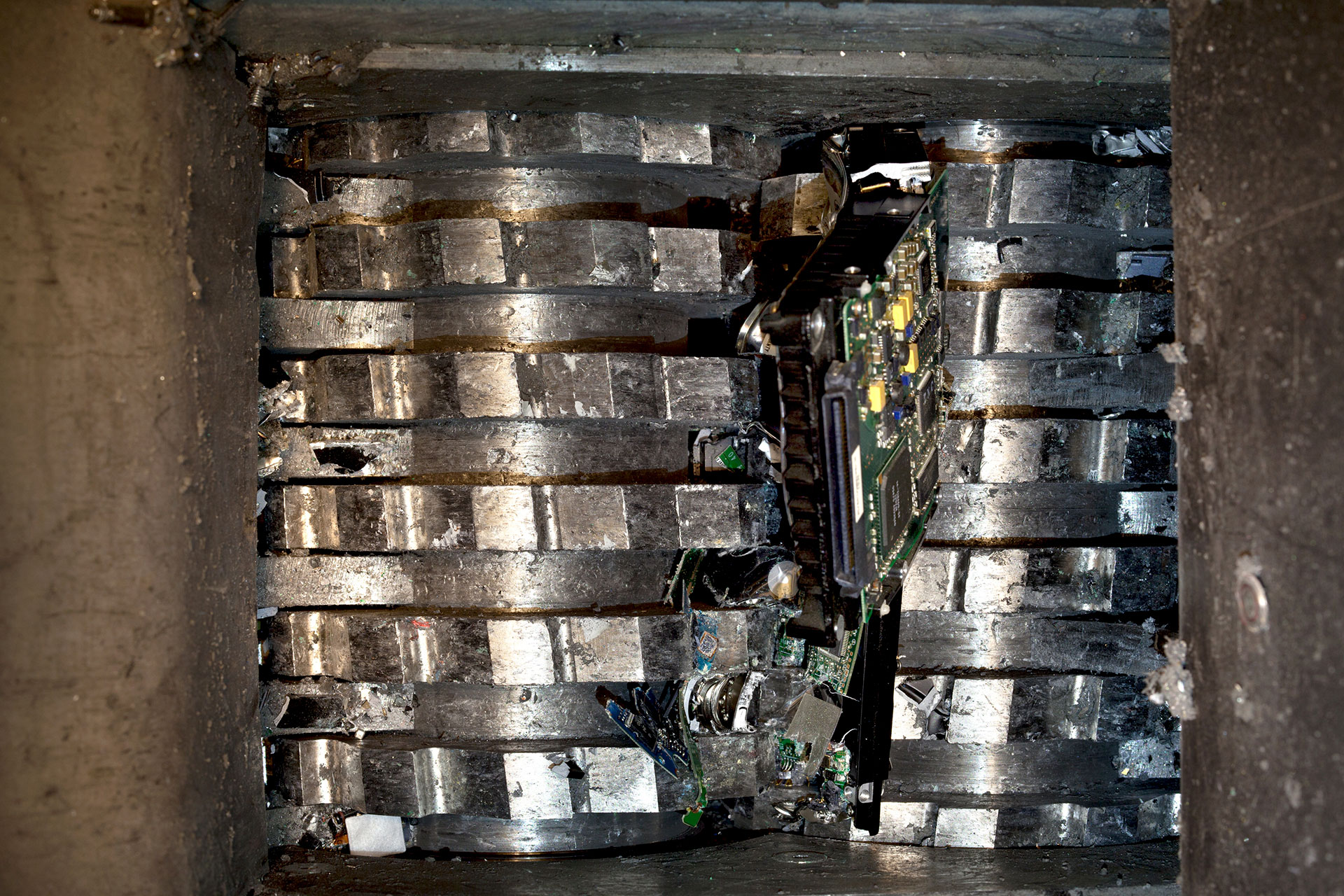
Professional hard drive destruction helps ensure sensitive data cannot be recovered or accessed after devices leave your property. This process goes beyond simply deleting files or reformatting a device. Physical destruction methods are designed to permanently destroy the storage components that hold data.
Proper destruction provides businesses with peace of mind knowing that confidential information is no longer vulnerable to exposure. It also demonstrates a commitment to responsible data management and security practices.
HIPAA, Compliance, and Business Responsibility
For healthcare providers, medical offices, financial institutions, schools, municipalities, and many other organizations, data protection is more than good practice. It may also be a legal responsibility.
This can include:
- HIPAA compliance for healthcare-related information
- Financial and tax record protection
- Employee privacy requirements
- Customer information security
- Internal company confidentiality standards
Improper disposal of devices containing sensitive information can potentially lead to legal exposure, reputational damage, and loss of customer trust.
Even businesses outside heavily regulated industries should take data destruction seriously. Today’s customers expect companies to protect their information long after a transaction is complete.
Recycling Electronics Responsibly
Electronics recycling is about more than clearing space or keeping materials out of landfills. It is also about protecting information.
At Responsible Recycling Services, businesses can responsibly recycle outdated electronics while helping ensure sensitive materials are handled properly. Services like hard drive destruction help organizations safely dispose of devices they no longer need without leaving security concerns behind.
Whether your business has a few outdated laptops or an entire storage room filled with retired equipment, organizing a cleanout can help reduce risk, free up space, and improve overall organization.
Signs Your Business May Need an Electronics Cleanout
Many companies delay electronics recycling simply because the buildup happens gradually over time.
A few signs it may be time for a professional cleanout include:
- Old computers stacked in storage areas
- Boxes of unused hard drives or cables
- Equipment from previous employees still onsite
- Retired servers or networking equipment
- Devices saved “just in case” for years
- Office renovations or relocations approaching
- Concerns about protecting sensitive information
If your business cannot confidently account for where old data-containing devices are stored, it may be time to take a closer look.
Protect Your Business Before It Becomes a Problem
Data security does not end when a device is unplugged. Old electronics can continue carrying sensitive information long after they stop being used, creating hidden risks many businesses never consider until it is too late.
Proper electronics recycling and hard drive destruction help businesses protect confidential information, reduce liability, and responsibly manage outdated equipment.
Because sometimes the next data breach is not coming from a hacker. It is sitting in a storage closet down the hall. Contact us to schedule your data destruction today.